
Two friends in Jaipur build a decent product, get their first paying customer, and then panic — “wait, are we even a legal business yet?” This happens more often than you’d think.
Understanding the company registration process India requires isn’t complicated once you break it into stages, but founders often get stuck simply because nobody explains it in plain language. Let’s fix that.
Do You Even Need to Register a Company?
Not every business needs a private limited company. Freelancers or small shop owners often do fine as a sole proprietorship. But if you’re planning to raise funding, bring in co-founders, or limit personal liability, registering a formal company makes sense.
Direct answer: Company registration in India legally creates a separate corporate entity, distinct from its owners, protecting personal assets and enabling the business to raise capital, enter contracts, and be taxed independently.
Step 1: Choose the Right Business Structure
This decision shapes everything after. Common options:
- Private Limited Company — most popular for startups, easier to raise funding
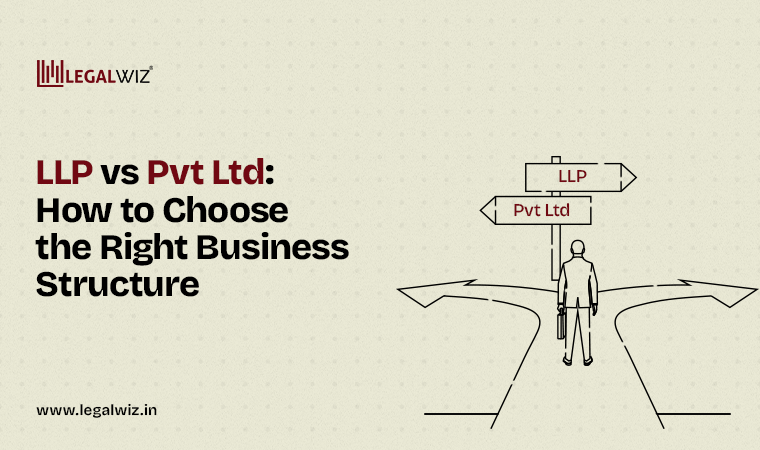
- Limited Liability Partnership (LLP) — good for professional services, lower compliance
- One Person Company (OPC) — for solo founders wanting limited liability
- Public Limited Company — for larger businesses planning to go public eventually
Most startups I’ve come across default to Private Limited, mainly because investors prefer it.
Step 2: Get Digital Signature Certificate (DSC)
Since registration is done entirely online through the MCA (Ministry of Corporate Affairs) portal, every director needs a Digital Signature Certificate. This usually takes 1-2 days and costs around ₹1,000-₹2,000 per person.
Step 3: Apply for Director Identification Number (DIN)
Each proposed director needs a unique DIN, which is now typically applied for directly within the SPICe+ form itself — no separate application needed anymore, which honestly simplified things a lot compared to a few years back.
Step 4: Reserve Your Company Name
Through the RUN (Reserve Unique Name) service or as part of SPICe+ Part A, you submit two name choices. The Registrar checks for:
- Availability (no identical or too-similar existing company)
- Compliance with naming guidelines
- Trademark conflicts, if any
Direct answer: Company name reservation in India is done through the SPICe+ Part A form on the MCA portal, and approved names remain valid for 20 days to complete the rest of the registration.
Pro tip — always keep 2-3 backup names ready. I’ve seen founders lose weeks just because their first choice got rejected for being too similar to an existing brand.
Step 5: File SPICe+ Part B
This is where most of the real work happens. SPICe+ Part B covers:
- Company incorporation details
- PAN and TAN application
- EPFO and ESIC registration
- GST registration (optional at this stage)
- Bank account opening request
- Professional tax registration (state-specific)
It’s genuinely convenient that this single form now bundles so many registrations together — a few years ago, founders had to run around to five different departments separately.
Step 6: Draft MOA and AOA
The Memorandum of Association (MOA) defines the company’s objectives, and the Articles of Association (AOA) define its internal rules. These get filed along with SPICe+ and are legally binding documents for how the company operates.
Step 7: Certificate of Incorporation
Once the Registrar of Companies (RoC) approves everything, you get the Certificate of Incorporation (CoI) — along with your Company Identification Number (CIN), PAN, and TAN, usually within 7-10 working days if documents are in order.
This is the moment your company legally exists.
Documents You’ll Need
- PAN card of all directors
- Address proof (Aadhaar, passport, voter ID)
- Passport-size photographs
- Registered office address proof (rent agreement/utility bill)
- NOC from the property owner if rented
Costs Involved in 2026
Roughly:
- Government fees: ₹1,000-₹8,000 (depends on authorized capital)
- DSC: ₹1,000-₹2,000 per director
- Professional/CA fees: ₹5,000-₹15,000 typically
- Total for a small Private Limited Company: usually ₹8,000-₹20,000
[link to related guide on LLP vs Private Limited Company here]
Common Mistakes Founders Make
- Choosing a name too close to an existing trademark
- Not defining clear objectives in the MOA
- Ignoring annual compliance requirements post-registration (many think registration is a one-time task — it isn’t)
- Using a home address without proper NOC documentation
FAQs
How long does company registration take in India? Typically 7-15 working days if all documents are in order and there are no name rejection issues.
What is the minimum capital required to register a company in India? There’s no minimum paid-up capital requirement anymore for private limited companies in most cases.
Can I register a company without a physical office? Yes, you can use a residential address as the registered office, provided you have proper ownership or rental proof and NOC.
Is GST registration mandatory during company registration? Not immediately mandatory, but many founders opt for it during SPICe+ filing itself for convenience.
What’s the difference between DIN and DSC? DIN is a unique identification number for directors, while DSC is a digital signature used to sign documents electronically during filing.
Do I need a company secretary to register a startup? Not for most small private limited companies at registration stage, though larger companies may need one for ongoing compliance.
Conclusion
The company registration process India offers today is far smoother than it used to be, mostly thanks to the SPICe+ integrated form. Still, small mistakes in documentation or naming can cost you weeks. If you’re serious about turning your idea into a real business, get your documents ready this week and consult a CA or company secretary before filing — it’s a small cost compared to the delays a rejected application causes.